1-on-1 Mentoring with
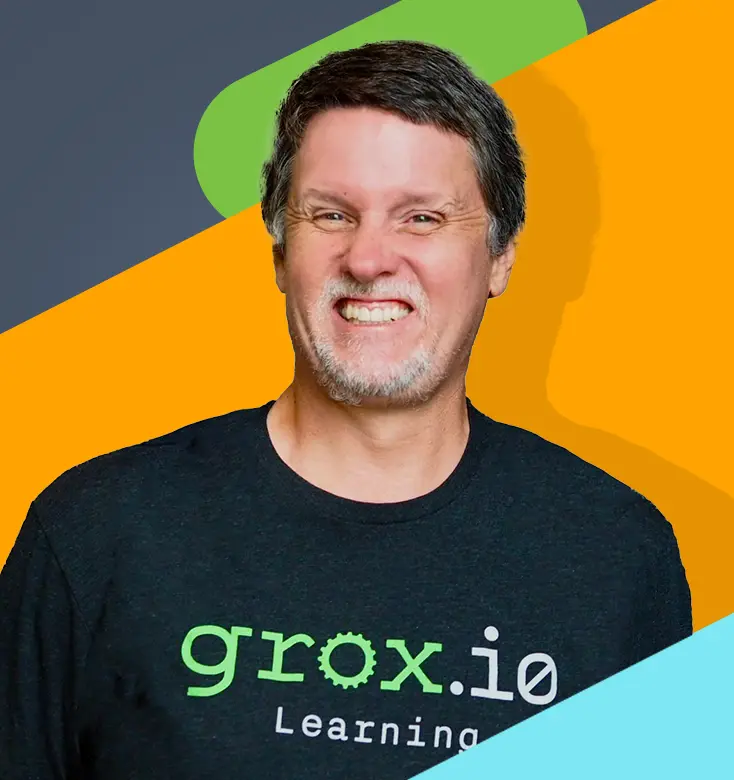
Bruce Tate
Get unstuck in production. Leave with decisions.
This is hands-on mentoring for developers working on real Elixir systems. We work on your actual code, your actual constraints, and the tradeoffs you'll still believe after the call ends.
This is not a lecture.
It's a working session.
You bring the system. We clarify the problem, trace the design, and decide what matters next.
Who This Is For
What this mentoring is (and isn't)
This is for people who already shipped something and now feel the weight of it.
It's for teams and individuals dealing with production reality: unclear boundaries, fragile processes, growing LiveViews, supervision trees that "mostly work," and architecture decisions that keep resurfacing.
It's not a beginner tutorial.
It's not generic advice.
And it's not theory detached from code.
The Process
How it works
Before the session
You send context: a repository (or relevant snippets), a short description of the problem, and the constraints you can't change.
During the session
We work through the system together. We look at architecture, OTP structure, data flow, supervision, and the decisions that shaped the code. We compare options and make the tradeoffs explicit.
After the session
You leave with clear next steps, decision criteria you can reuse, and a better mental model of your system.
Real Problems
Common situations this helps with
If any of those sound familiar, mentoring usually pays for itself quickly.
Preparation & Outcomes
What to bring, what you'll leave with
What to bring
- Your code (repository or focused excerpts)
- One or two concrete problems you want to solve
- Any constraints that matter: team size, deadlines, legacy decisions
You don't need a perfect explanation. Messy context is fine.
What you'll leave with
- A clearer understanding of what the system is really doing
- Explicit tradeoffs instead of vague instincts
- Concrete next steps you can execute immediately
- Decision tools you can reuse as the system evolves
For individuals and teams
Pricing that stays simple
Book a single session when you need clarity fast, or choose a 10-session package for ongoing guidance. Every session is 60 minutes with Bruce, focused on your real system: code review, architecture decisions, and concrete next steps.
- 60 minutes of focused time per session
- Work on your actual code, architecture, and constraints
- Flexible scheduling based on availability
- Actionable next steps and decision criteria you can reuse
Single session
Best when you need a focused deep dive and clear direction fast.
Package of 10
Best for ongoing guidance as the system evolves (design, refactors, and tough calls).
Available to Groxio course members and trained teams
FAQ
Frequently asked questions
Is this consulting?
No. This is mentoring. There's no delivery, no long-term engagement, and no obligation. The goal is to help you make better decisions about your system, not to take it over or build it for you.
Can teams join a session?
Yes. Small teams often join together, especially when a decision affects architecture or process. The session works best when the people who will implement the changes are in the room.
Can we sign an NDA?
Yes. NDAs are fine. Many teams work on proprietary or sensitive systems, and confidentiality is respected.
What if I can't share my code?
That's okay. You can share focused excerpts, pseudocode, diagrams, or describe the system verbally. The goal is clarity, not full access to your repository.
What preparation makes a session high leverage?
Come with one or two concrete problems you want to solve, some context about the system, and the constraints you can't change. You don't need perfect documentation — just enough signal to work with.
What if I'm not sure what the real problem is yet?
That's common. Part of the session is helping you identify the real problem behind the symptoms, so you can stop treating surface issues and start making durable decisions.
Ready to get unstuck?
Bring your code, your questions, and your constraints.
Leave with clarity and direction.
Questions? Contact us for more information.