01 · Coding
Specify the work
Turn a request into small stories and the context an agent needs. When an attempt fails, explain why.
You can show: a clear story, its context and an explanation of a failed attempt.
Intelligence with intention. Agentic coding, with guidance.
The same four modules, as a private cohort for your Elixir team. Start a conversation with Bruce and Paulo about your codebase, the people learning and the work ahead.
We start with a short call, then a proposal.
Teams we have worked with InervaHiiveErlang Solutions

Four modules, sold together and taught live. The outcomes guide the teaching; the order of lessons can flex.
Turn a request into small stories and the context an agent needs. When an attempt fails, explain why.
You can show: a clear story, its context and an explanation of a failed attempt.
Read agent output against design principles. Discard what does not fit, and explain the remaining system at a whiteboard.
You can explain: the design you kept, the output you rejected and why.
Put verification gates in order of cost. Recognize common AI-generated failures and catch them before review.
You can show: the checks that support a change and the failures they catch.
Run selected automations with rules for adding or reducing them. People still review changes and merge pull requests.
You can explain: what runs automatically, what needs approval and when to pull back.
The same loop throughout. People approve the plan and review the change, including automated work.
How does the system work? Why is it shaped that way? Where would it fail? The point is to explain the decisions behind the code you ship.
You build with guidance, and keep responsibility for what you build.
For Elixir teams that want a shared way to specify, judge and verify agent-assisted work.
Give agents the product knowledge they need to do useful work.
Agree on what to keep, what to reject and why.
Make the evidence behind a change clear to the people reviewing it.
This course assumes you already write software. It does not teach programming from scratch.

Founder of Groxio. Leads the technical teaching: directing, judging and verifying AI-assisted work.
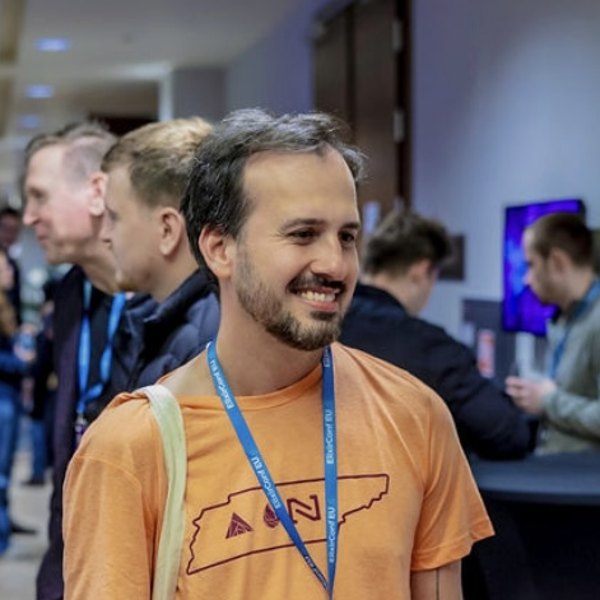
Groxio partner. Teaches context, stories and verification, connecting the work to the business it serves.
Talk with us about the people learning, your codebase and the outcomes you need. We start with a short call, then a proposal covering scope, schedule and price.
This is a private cohort for your team. We start with a short call, then a proposal.
Tell us about your system and learning goals in the inquiry. We agree on suitable work together before scheduling.
The person coordinating the team's learning. Include the company, team size and what you want the team to learn.
A shared way to build with agents, with people responsible for the result.