Session 8
Thursday, October 8, 2026LLM Harness MCP Demo — Part 2
Bruce continues the LLM harness and MCP demo from September 17 with Part 2.
A live, practical demo followed by questions from the audience.
Bruce Tate Live
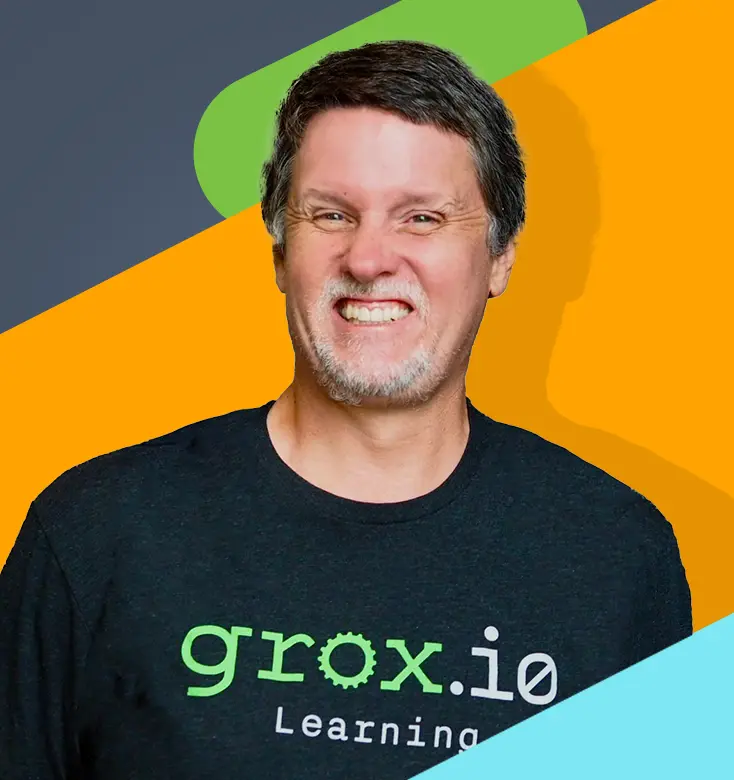
Bruce takes the topics from his AI Crises Series and his Groxio training work and turns them into 60-minute live sessions. Real questions, no slides, no script. The kind of room where engineering managers and senior engineers think out loud about what AI is doing to the work.
Session status
Session 8
Next sessionLLM Harness MCP Demo — Part 2
Thursday, October 8, 2026
Session 7
CompletedLLM Harness MCP Demo — Part 1
Held Thursday, September 17, 2026
Sessions 1–7 are complete. On October 8, Session 8 continues the LLM harness and MCP demo with Part 2. Topics are pulled from real conversations with engineering teams Bruce works with.
Session 8
Thursday, October 8, 2026Bruce continues the LLM harness and MCP demo from September 17 with Part 2.
A live, practical demo followed by questions from the audience.
Session 7
CompletedHeld Thursday, September 17, 2026
The first part of Bruce's LLM harness and MCP demo.
Get access to session recordingsSession 6
CompletedHeld Thursday, September 3, 2026
Bruce continued with the counter refactor started in the previous session, then turned the finished pattern into a reusable LiveView skill. The session showed how to move from a concrete refactor to guidance an agent can apply again.
Get access to session recordingsSession 5
CompletedHeld Thursday, August 6, 2026
Bruce continued the work from Session 4: building a practical alternative to stateful LiveComponents, refining the explicit state flow and pure function-component boundary, then turning the finished pattern into a reusable skill agents can follow.
Get access to session recordingsPulled from the same well as Bruce's article series and the team-training engagements:
What throw it away actually looks like in a real PR
The discipline, the conversation with the author, and the team norms that make it stick.
Functional duplication: how to find it without an AI auditor
Quick scans, naming patterns, and the seams where drift hides.
IoC seams under AI pressure
Protocols, behaviours, dependency injection, and the architectural work agents can't do.
Prompt layering as software design
Composing prompts the way you'd compose modules.
Sign up above to get notified when each one is scheduled.
Full Groxio library
Subscriber access includes Bruce Tate Live recordings within 24 hours, all 9 courses, mini-books, projects, and future course releases.
Yearly Access
The yearly plan is the fastest path from one live recording to the whole Groxio learning library.
See yearly accessWhy these sessions exist
"I write the essays. Then I sit with engineering teams and the same questions come up — red/green indicators, what's worth throwing away, how to grow juniors who can do this work. The lives are that conversation, in public. People who show up are usually halfway to the answer; they just haven't said it out loud yet. The room helps them get there."
These aren't webinars. They're not pitches. They're a small public version of the work Bruce does inside engagements — and they're free because the conversation tends to be more useful than anything we'd charge for.
About Bruce Tate
Bruce is the author of more than ten programming books, including Seven Languages in Seven Weeks, Programming Phoenix, and Designing Elixir Systems with OTP. He's been training engineering teams for two decades. He runs Groxio, a teaching company focused on Elixir, OTP, Phoenix, LiveView, and the discipline around AI-assisted engineering.
The live sessions are an extension of the AI Crises Series — same audience, same questions, more room to think out loud.
For engineering managers attending these
AI Engineering Enablement is a private 3–4 day intensive plus ongoing advisory for engineering teams adopting AI on real Elixir codebases. It is the training that the live sessions are condensed from, scoped through a diagnostic conversation.
The first step is a short conversation. No pitch deck, no proposal up front. We look at your team's current Elixir experience, AI usage, review bottlenecks, and architecture concerns, then decide together whether private training is the right fit.
After the live — other ways to work with Bruce
Get a notification when each session is scheduled.
We respect your privacy. Read our privacy policy .